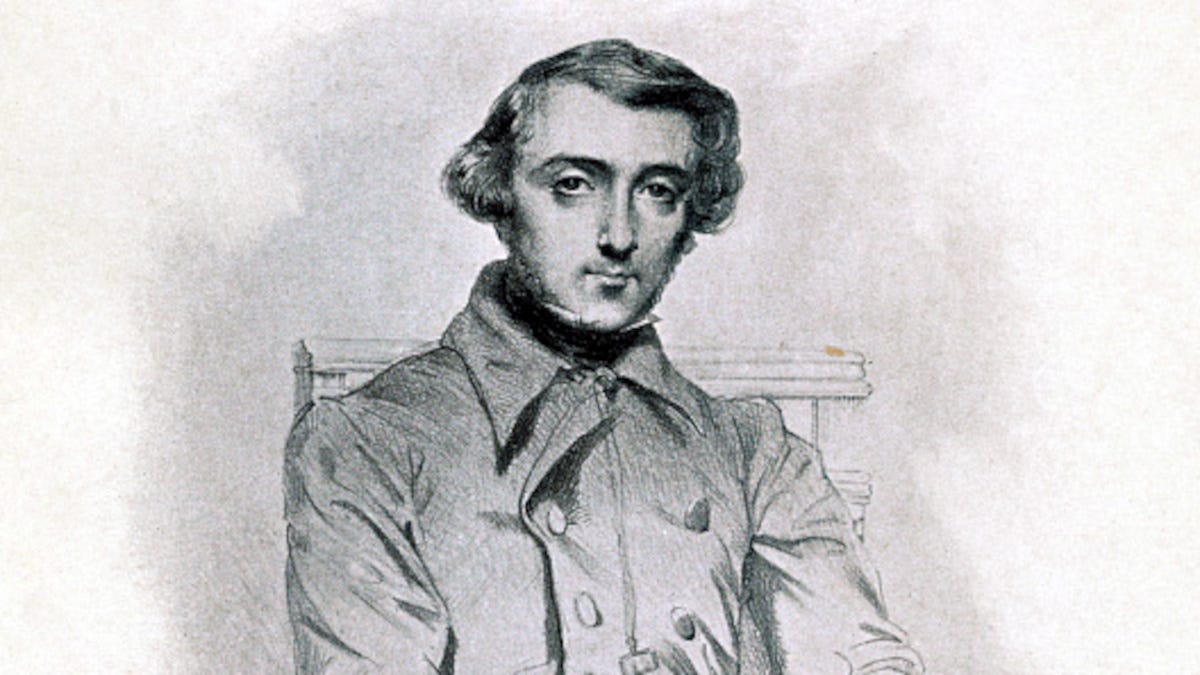
Volumes have been written on the subject of hiring practices and how to recruit the right candidates for jobs. But much less attention is paid to how volunteers are recruited -- which is a perilous mistake. Dating back to even before 1840, when De Tocqueville wrote with some wonder that “Americans of all ages, all conditions, and all dispositions, constantly form associations”, the vitality of our freely-chosen organizations has been a big part of what makes the country work.
■ One iron law that stands out, now more than ever: If you do not design your system around high-quality volunteers, you will find yourself overwhelmed by low-quality volunteers. If meetings are sloppy and disorganized, then people with better things to do will opt out. If the programming is unimaginative, then people with lively interests will pursue those elsewhere. If paperwork and bureaucratic inertia consume too much of leaders’ time, then leaders whose time is valuable will know better than to step forward.
■ There will always be exceptions, of course, in the form of true believers who will suffer any hardship to ensure the success of a mission. But the moment voluntary participation starts to look like an endurance contest, it’s time for reform. And that time comes often in almost every organization.
■ Especially as many of our formerly all-volunteer organizations have become staffed with “non-profit professionals”, the ever-present threat of self-serving organizational bloat has become a chronic risk factor for institutional decay. The idea of professional non-profit management as its own discipline may only be about half a century old, but it has a natural way of snowballing: Meetings for meetings’ sake, reports to justify the meetings, staff to write the reports, and constant demands on volunteers to furnish the information demanded by the staff. And, always, the membership drives to raise the revenues to pay the staff, who in turn expect pay raises that beat inflation and keep pace with the for-profit sector.
■ Some of this is inevitable, especially if one takes seriously the problem of Baumol’s cost disease. But from a social perspective, it’s critical to keep these bloat-inducing tendencies in check with relentless pressure for ever-greater efficiency and ever-tighter mission focus.
■ That, in turn, begins with designing not around permanent staff but around those high-quality volunteers: People who don’t need tedious meetings to fill their days, busy work to clutter their inboxes, or other distractions from the mission or cause they came to support. If ever it looks like the volunteers are there to serve the staff, then it’s not just bad for the organization, it’s bad for America.
■ Our voluntary sector is essential to the good of American public life. Stripping away the obstacles to high-value participation by high-quality volunteers is one of the most important and patriotic things anyone with the power to do so could possibly initiate.