The Constitution lodged the duties of international diplomacy in the hands of both the legislative and executive branches. For expediency, the President is empowered to carry out relations, but for prudence, the Senate is required to give overwhelming formal consent.
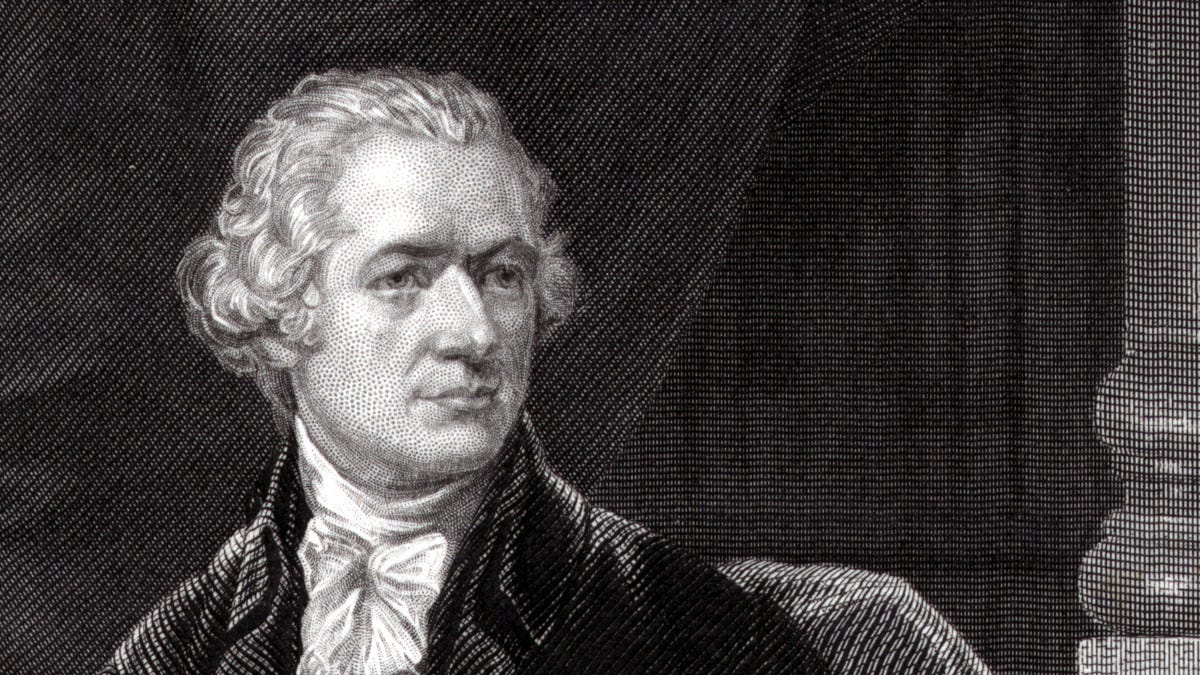
■ In the words of Alexander Hamilton, “The qualities elsewhere detailed as indispensable in the management of foreign negotiations, point out the Executive as the most fit agent in those transactions; while the vast importance of the trust, and the operation of treaties as laws, plead strongly for the participation of the whole or a portion of the legislative body in the office of making them.”
■ That balance of power is no less important now than it was more than 200 years ago. A peaceful world order starts at home -- with predictable, deliberative, and accountable processes. On a tactical level, unpredictability has its place: It may be useful, for instance, to disrupt the expected-value equation for terrorists by responding erratically to them on a case-by-case basis. But on the bigger strategic level, there’s no substitute for principles and values that everyone can see.
■ A President who unilaterally declares a withdrawal from dozens of international organizations may be acting swiftly, but that motion is only legitimate action if the Senate deliberately consents. Legitimacy can’t be manufactured, no matter how decisive anyone intends to look.