There are times when the world’s attention (or, at least, the attention of widely-circulated media) is focused on ideas: Debates over climate policy, reporting on the emergence of powerful new technologies, or analysis of rival prescriptions for easing the pains of economic transitions. These may not always be good times, but they are ones in which serious thinking stands a chance of breaking through.
■ There are times when events take the lead: Natural disasters, epidemic (or even pandemic) outbreaks, or momentous occasions like the Moon landing. These times, too, may be good or bad, but they are usually important. Human beings are social animals, and we need to process some things in community with others, asking questions like, “What do we think about this? What is changing? What might be coming next?”
■ We are living in a third kind of time: One utterly dominated by coverage of a handful of people. It is almost a metaphysical certainty that any “front page” of news coverage right now will contain at least one (if not many) references to the President of the United States, the wealthiest person in the world, and a loathsome dead criminal. Sometimes all in the same story.
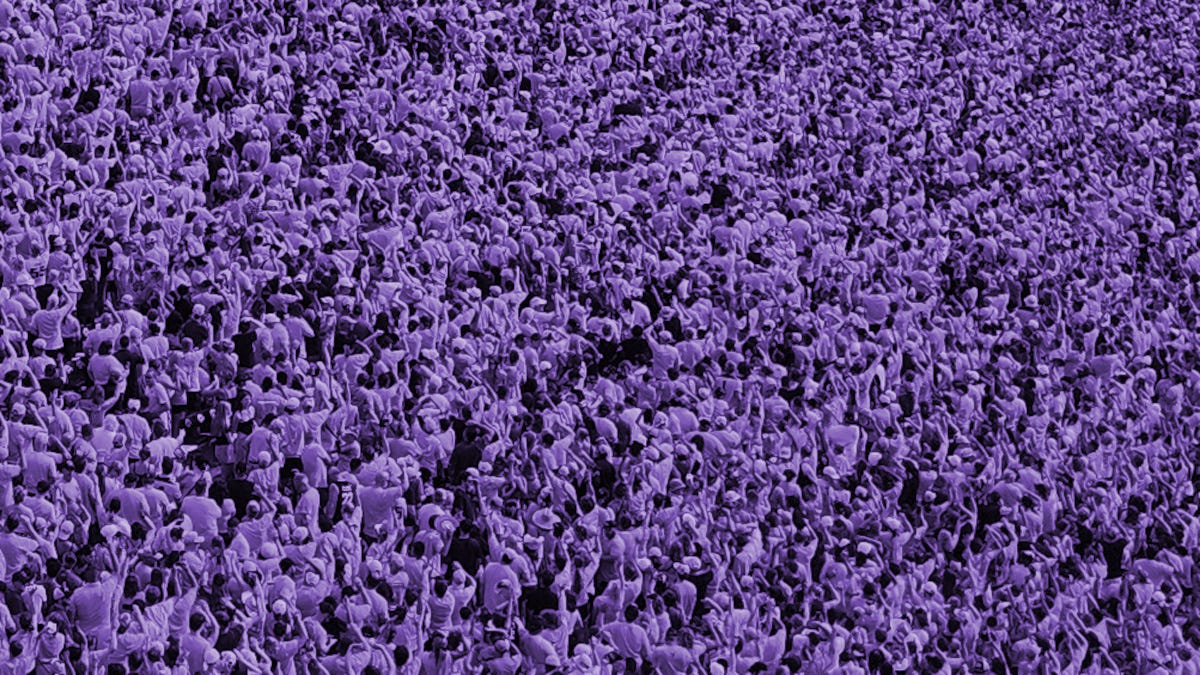
■ The third kind of time is a deeply unhealthy one. There are 8.1 billion people on this planet — that’s more than eight thousand-thousand-thousand souls. For so much attention, in so many places, to be so overwhelmingly concerned with so few taxes our precious attention. There is only so much that we can process in a day, and attention is not unlimited. Exhaustion and withdrawal become increasingly likely as there is less to think about: Even if the news about a person is entirely good, there’s still such a thing as over-saturation.
■ But minds get made up, and whereas we might withhold judgment on an idea or an event until more facts come in, we tend to form opinions about other people and hold to them (for better or worse). And the more relentless the attention to a few, the greater the risk that we will collectively tune out from all of it, missing important discussions about events and ideas as they are overtaken by coverage of those few people. Recalibrating and rebalancing is a matter of great importance, but one lacking in easy answers. The public interest cries out to be broadened.