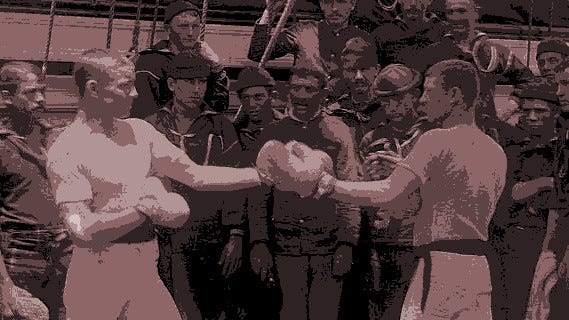
“60 Minutes” furnished the world with a story on “chess-boxing”, which is a competition that is exactly as it sounds: Rounds of boxing interspersed with rounds of chess between the two players trying, literally, to knock one another out. It’s an eyebrow-raising concept, of course, simply because the two tasks are self-evidently different from one another. Even in other pairings, like the biathlon, there’s a reason for disparate activities to be sandwiched together: Sometimes, cold-weather countries have to fight on skis.
■ Chess boxing, on the other hand, is just a marriage of inconvenience. The cognition required to play chess is exactly the kind of thing that boxers sacrifice to traumatic brain injuries. The irrationality of it all is overwhelming.
■ Despite the expansion of protocols and preventative measures to deal with concussions and other sources of man-made damage to the head, we as a society persist in all kinds of voluntary activities that put brains at risk. In the end, there will always be some appetite to participate in these activities because accepting a known risk is an element to both real bravery (as when a passerby rescues children from a burning house) and to the simulation of bravery on a playing field.
■ Maybe, though, instead of committing effort to inventing new ways for people to participate in a brain-risking sport by inventing new twists on boxing, society would be better served by coming up with new sports (or at least new variations on existing sports) that expressly aim to take people out of the pathway to CTE. It is as true as ever that a mind is a terrible thing to waste.