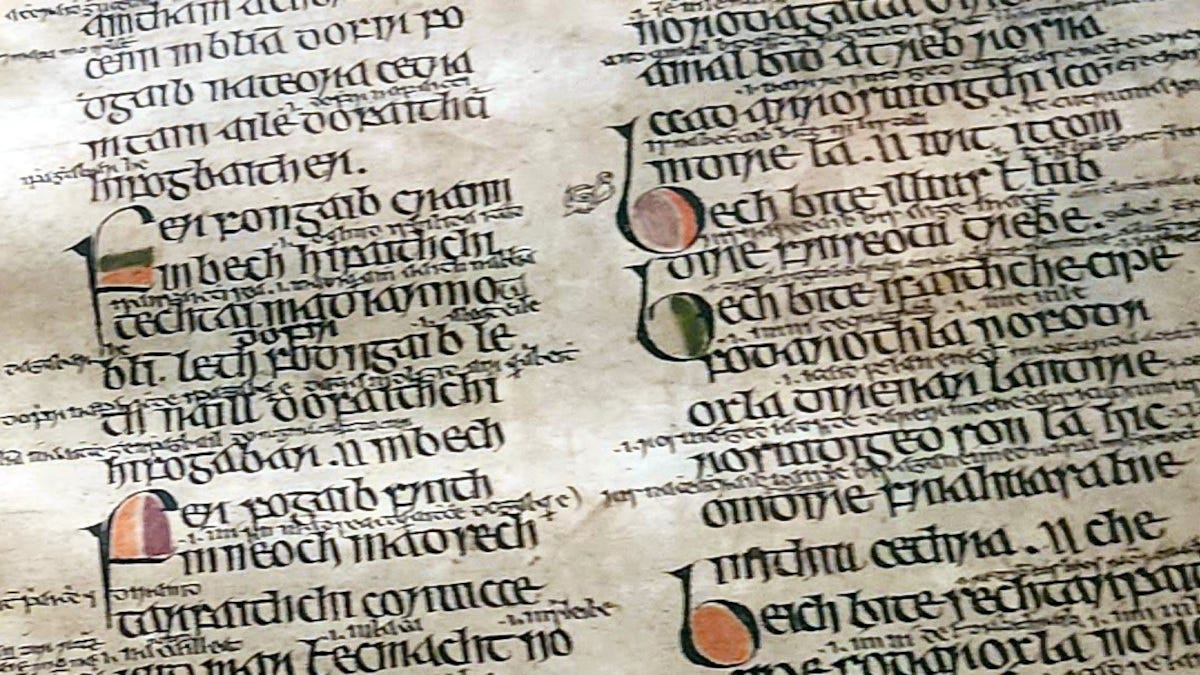
After disappearing from the curricula of many American schools for about a decade and a half, some states are reverting to past form and reintroducing requirements to teach the skill in schools. A variety of reasons are argued in favor: One is the usefulness of being able to read the cursive style (in which no small number of old documents are written, from the Declaration of Independence to old census files). Another is the case for the fine motor skills honed by the practice of cursive writing.
■ The best case of all may be that the ability to communicate in written language is one of the most important skills anyone can have in an advanced society like our own. It doesn’t come naturally to many people; it is a skill that requires practice and real cognitive development.
■ Different means of writing take different pathways in the brain. Conventional print, handwritten cursive, typing on a keyboard, and even composing from voice to text -- all call upon different component skills, some shared, others not. It stands to reason that anyone seeking to become a good writer probably has a better chance if they have developed and strengthened multiple ways of putting words on a page.
■ We think of writing as a physical act, which it plainly is. But it is also a cognitive feedback loop, which is why the same message from the same author may come out differently, depending on the mode of writing used. Just like it can be useful to know several strategies for working out a math problem, so too can it be useful to have multiple means of composing words and sentences. As long as the process isn’t taken too far and instruction in other useful skills isn’t completely disrupted, there’s a lot of utility in giving people a wide array of ways to tackle the challenges of writing.