Despair is too often the political refuge of people who think that utopian ends are possible. They imagine some kind of Heaven on Earth, perfectly in line with their own wishes, and when frustrated by cruel reality, some mourn. Others, though, decide that the failure to reach their desired destination is instead a sign that the world is too hopelessly corrupt to ever improve.
■ The despair in both approaches is a real problem, but the latter complaint shows up especially often in sweeping declarations that try to discredit the legitimacy of American aspirational principles by listing terrible episodes from history that violated those principles.
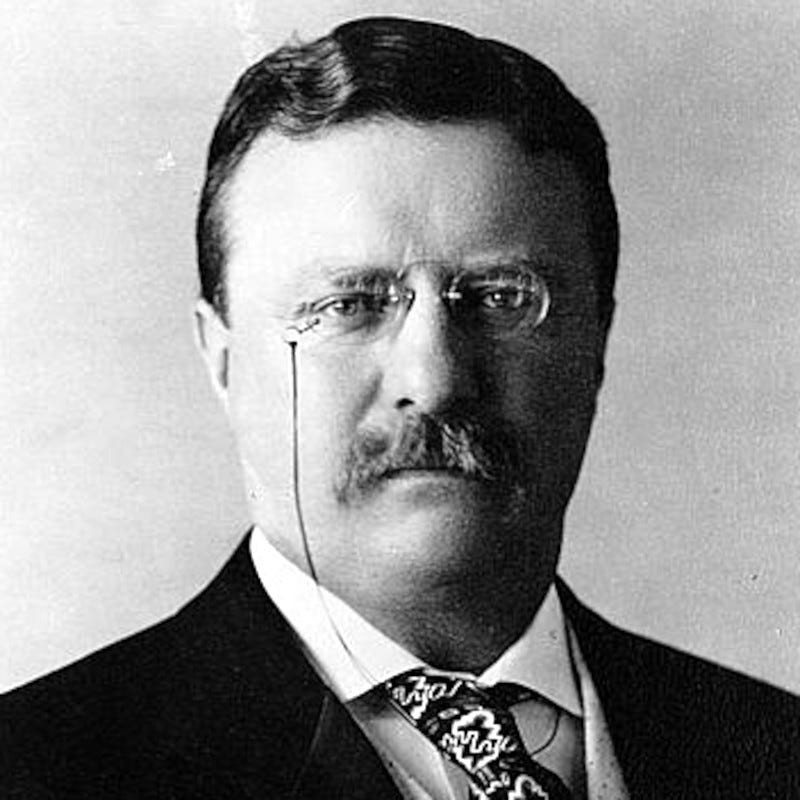
■ Theodore Roosevelt said, “If a man does not have an ideal and try to live up to it, then he becomes a mean, base, and sordid creature, no matter how successful.” The point of an ideal is that “try to live up to it” part. We’re imperfect, individually and collectively, but the job is to strive.
■ Assuming the existence of either a perfect end state or a hopelessly corrupted starting point is an almost guaranteed way to be sure that nothing ever gets better. Roosevelt himself fell short of an ideal in important ways (he probably could have done more about women’s suffrage, for example), but he also hosted Booker T. Washington for dinner at the White House.
■ Real progress is usually lumpy, it often falls short of stated goals, and coming to terms with that imperfection is basically table stakes for getting anything done in the world of human institutions. The closest thing to perfection is the act of striving. Nothing else is realistic, anyway.