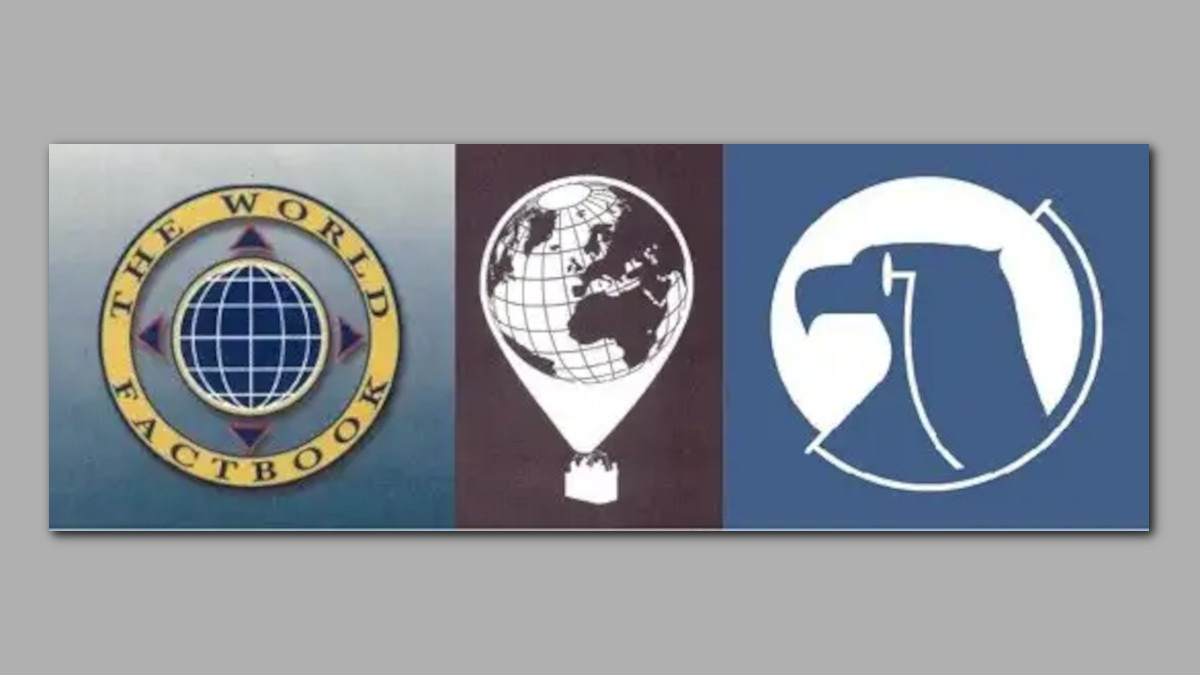
The CIA claims that it is with a “fond farewell” that it bids goodbye to the World Factbook. But for what conceivable reason would the CIA delete one of the best public utilities on the Internet?
■ For one thing, the CIA undoubtedly already maintains the content of the World Factbook for internal use anyway. It has been a rich treasury of information that would undoubtedly be useful within a spy agency: The nature and key facts about every country’s government, economy, population, and relationship with others. The amount of additional resources necessary to take that information and make it available for public consumption is surely only trivial at best -- perhaps a few hundred hours of labor, plus the cost of hosting a public-facing website.
■ For another, certain public goods are intrinsically worth having. Did everyone use the CIA World Factbook? No, but like a good public library, it was there for anyone to access. Was it the exclusive arbiter of the facts it reported? Again, no, but its content was unusually well-suited for a US Government website to supply: Facts that, by themselves, might be subject to manipulation or distortion (depending on where they were found), but that when reported consistently by a single source could be considered more reliable.
■ It’s not that the CIA is itself a neutral institution; it’s very much supposed to pursue the best interests of the United States. But reality is the best friend of liberty: What’s good for the interests of the United States is maximized by a steady commitment to knowing and telling the truth. That was the case when the predecessors to the World Factbook came together in 1943, and it’s true today. Whoever has chosen to metaphorically unplug the World Factbook has committed a real offense against the public interest.