Curiously, one of the best tools for counteracting the allure of the doomscroll comes in the form of a widely-used Amazon device: The humble Kindle reader.
■ The various Kindle models make use of one of the best yet most-underused inventions around: Electronic ink. E-ink is gentler on the eyes than light projected from a screen, offering an experience that is less taxing on the brain. And what too few people realize is that you don’t have to pay Amazon for everything you read on the Kindle.
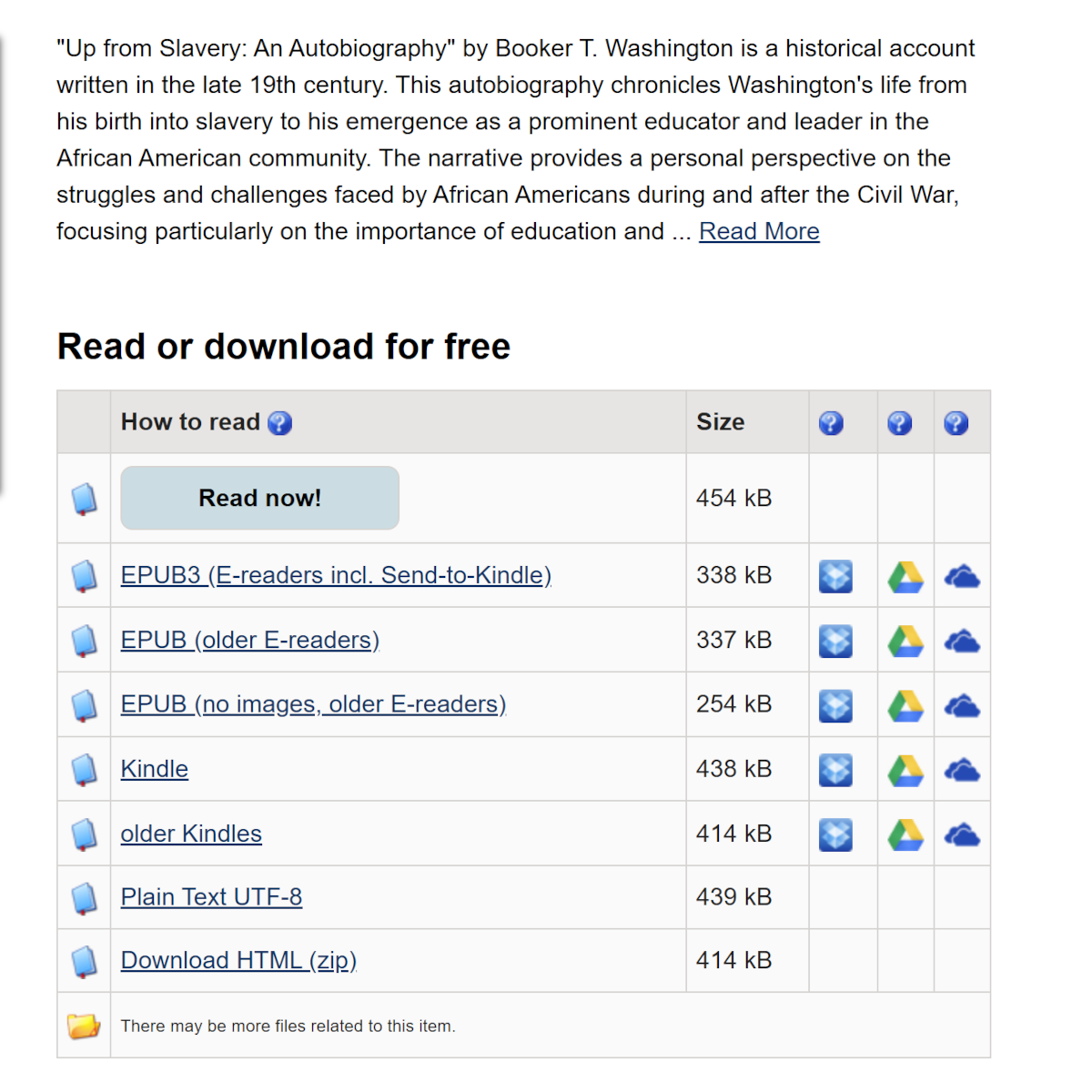
■ Both the Internet Archive and Project Gutenberg make thousands of books available for free. Many or even most are out of copyright -- which quite often means they are also out of print. But they have been carefully digitized and can be exported in just a couple of easy steps to any Kindle reader.
■ What we too often forget is that much of what we acquire in high school and even in college is a survey of information, not a deep dive. We become familiar with famous historical names without realizing that many of them wrote books that may be worth reading. In a huge number of cases, old problems sound a whole lot like modern ones. That’s because our circumstances change, but human nature rarely does.
■ Thanks to the Internet Archive and Project Gutenberg, we can go back and check the work of our predecessors. Some of it is garbage. But surprisingly often, there are thoroughly relatable perspectives to be found in the materials they have pulled off the dusty shelves and made accessible to our convenient devices.
■ There’s great reward to be found in reading these old books. Reading them on a modern digital device -- for free! -- is a tremendous antidote to doomscrolling. Many a modern person will come to regret hours lost to TikTok or Snapchat, but few people have ever resented the choice to spend time reading books. That we can do so for free is a marvelous gift that a small but dedicated cadre of people have made to the human family.