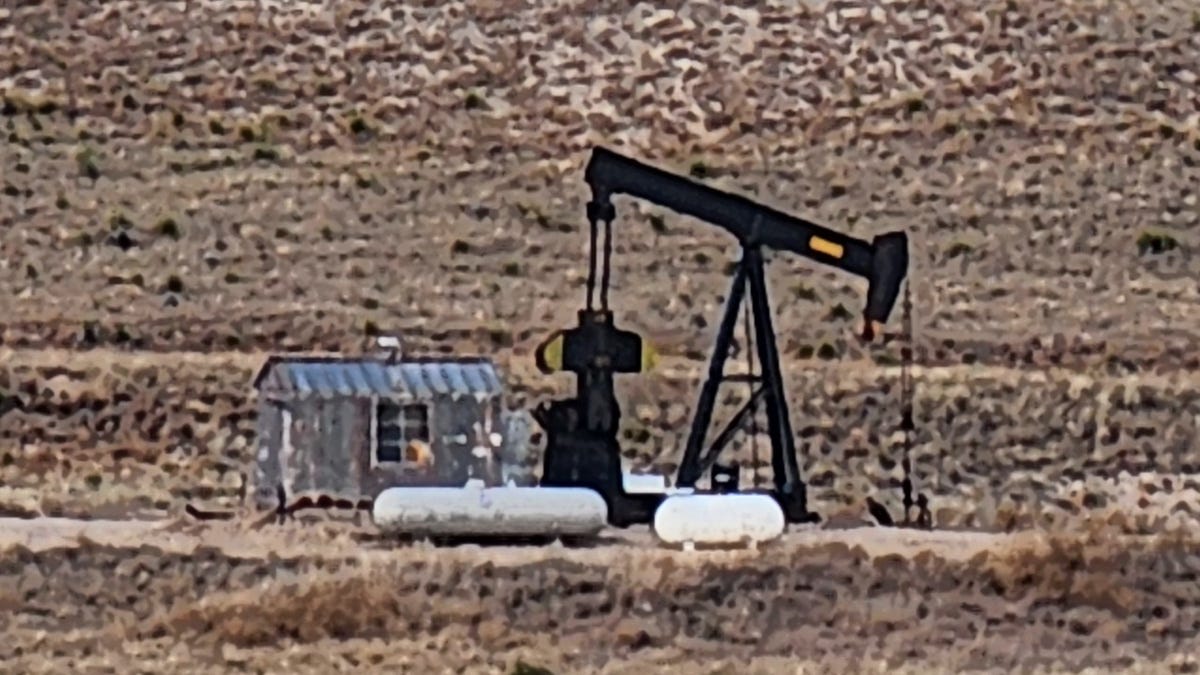
The Strategic Petroleum Reserve has dropped to its lowest level since 1983, following six straight months of net shrinkage in the stores. It’s now at less than half of the peak volume stored when it hit full capacity in 2009.
■ In and of itself, the decline is not necessarily a cause for alarm. The reserve is supposed to cover 90 days’ worth of imports, and for the last five or six years, the US has been a net petroleum exporter -- a situation that was basically unimaginable when the Strategic Petroleum Reserve was created in 1975. But with the war between the US and Iran continuing its unsteady path and the hostilities around the Strait of Hormuz specifically disrupting a quarter of the world’s seaborne oil trade, it’s a time to be alert to uncertainties and contingencies.
■ The United States has, for instance, an enormous nuclear-powered fleet of submarines and aircraft carriers. But the US Navy has about 150 non-nuclear combat surface ships. They don’t run on coal, and they aren’t sailboats, either: They need petroleum-based fuels.
■ The Naval Petroleum Reserves have been fully divested for years, and though ongoing domestic production of petroleum is strong, what would happen if we simultaneously experienced a global supply crunch (like the current one) and a significant naval conflict (like an abrupt invasionary expedition in the South China Sea)?
■ Even if the Strategic Petroleum Reserve isn’t primarily intended to serve a strategic defense purpose, it still sends a bad signal about readiness when we run low on both petroleum reserves and reserves of munitions at the same time. An enormous factor in conflict deterrence is credibility, and it’s a lot easier to be credible when a seemingly inexhaustible supply of resources stands ready.
■ Our behavior may be sending highly undesirable signals to the rest of the world, and those signals run the risk of inviting adversarial behavior that benefits nobody in the long run. We should heed the advice of Dwight Eisenhower: “[A]s long as there persists a threat to freedom, [free nations] must, at any cost, remain armed, strong, and ready for the risk of war.”