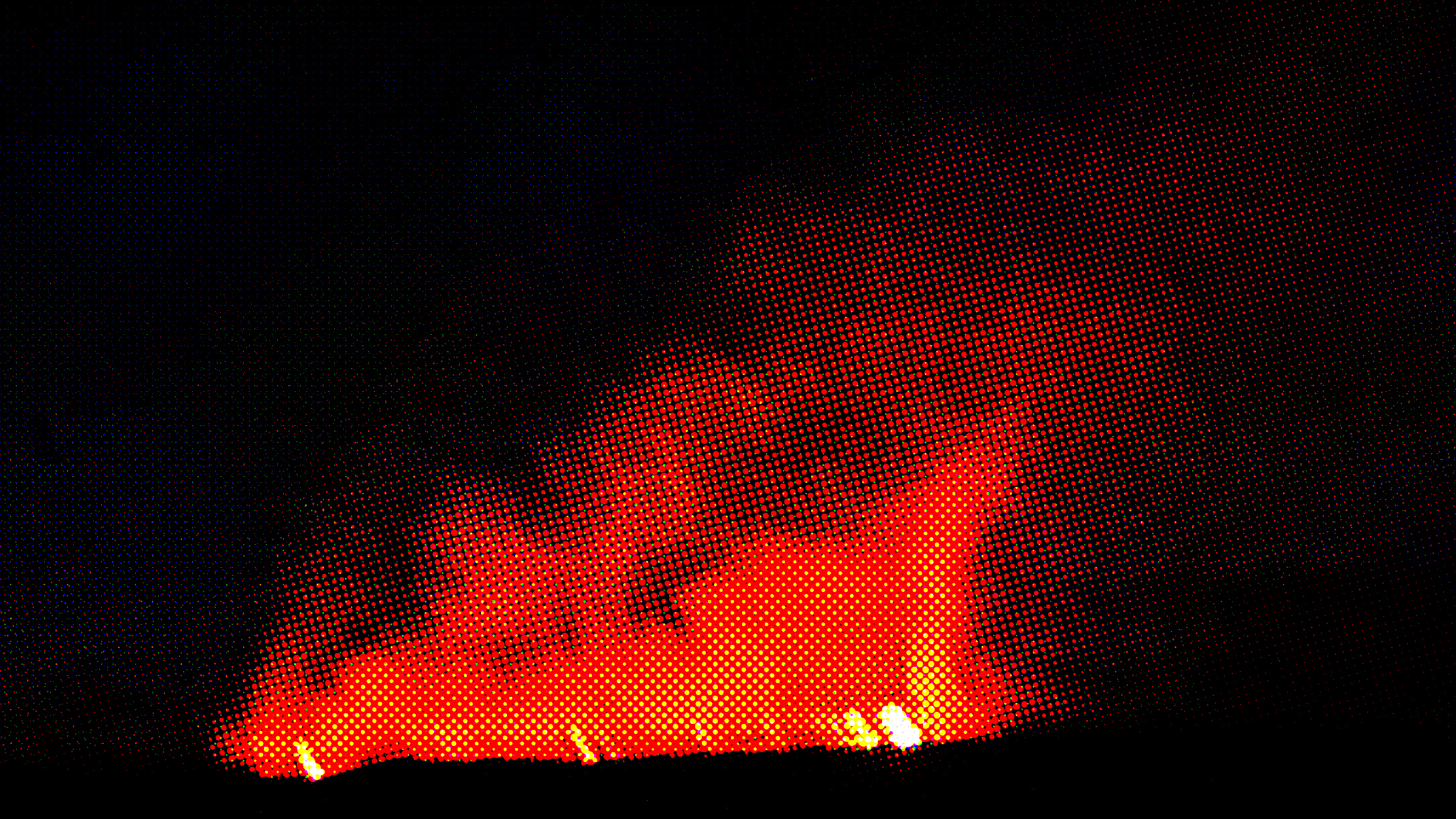
Two separate wildfires in Nebraska have burned a combined 800,000 acres in the last week. The fires have taken place mostly in sparsely-populated cattle country, but the scale of the fires is enormous. The burned area is getting very close to the area of the entire state of Rhode Island.
■ It’s hard to find a lot of national news coverage about the incidents, even though they are so geographically huge that it’s hard to see them all at once, even from the air. That’s unfortunate, and it’s also a missed opportunity.
■ Historically, the threat of urban fires came mainly from within cities: Something would ignite a building and lots of adjacent buildings made of flammable materials would catch fire in turn. It’s what devastated New York, Pittsburgh, Chicago, and Boston, among other American cities, in the 1800s. Public water systems, automatic sprinklers, and professional firefighting departments have all together rendered that style of urban conflagration a thing of the past.
■ But fires that jump from wildfires into urbanized areas -- as has happened in Hawaii, Colorado, and California in recent years -- are a complex and severely under-addressed problem. There aren’t a lot of cities in the way of the current fires in Nebraska, but there are some populated communities under threat, and getting the problem in front of the public is a matter of converting theoretical problems into visible, tangible ones with real consequences both here and now. We are very good at forgetting the last disaster before doing anything about preventing the next one. That really ought to end.