It’s always worth paying attention when journalists come right out and point fingers without apology. “Stars and Stripes”, which is supposed to be an independent source of news and information for the armed forces of the United States, reported the retirement of its publisher like this: “Max D. Lederer Jr., the longtime publisher of Stars and Stripes, announced his retirement Tuesday, ending a three-decade career at the news organization amid Pentagon efforts to expand oversight over its operations and content.” Later, the report adds, “His retirement comes after the Defense Department in April fired the publication’s ombudsman, a role charged by Congress with safeguarding the newspaper’s editorial independence.”
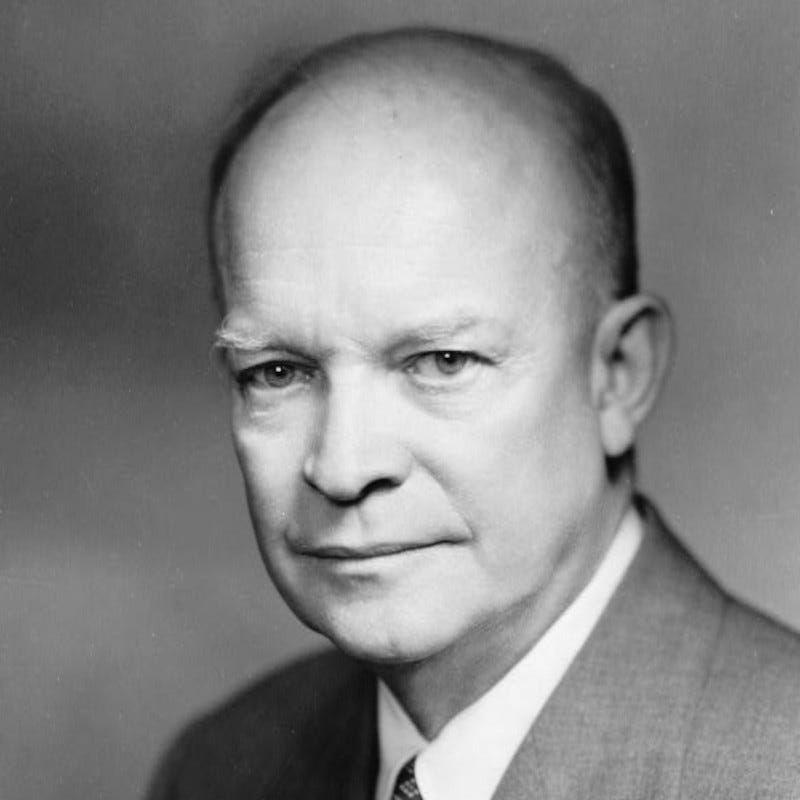
■ Dwight Eisenhower, who indisputably knew how to win wars, remarked in his memoirs of World War II: “I believed that the proper attitude of the commander toward representatives of the press was to regard them as quasi staff officers”. Eisenhower knew that good journalism wasn’t just something for the public at home. Tough, fair-minded reporting also provides commanders with information they need to know both from and about their subordinates.
■ News doesn’t always travel to where it’s needed. Information needs to reach those at the top, and even the lowliest private has the right to be commanded by those who seek the full picture, not just rosy sentiments that reinforce what top officers want to hear.
■ The truth sometimes hurts, but ignorance hurts more. Eisenhower knew it: “In the handling of the press, the American practice was to provide every facility that would permit an individual to go wherever he wanted, whenever he wanted. While this imposed upon us some additional administrative burdens, it paid off in big dividends because of the conviction in the minds of all that there was no attempt to conceal error and stupidity. These, when discovered, could be promptly aired and therefore did not grow into the festering sores that would have resulted from any attempt at concealment.”