The headline is intentionally provcative: “What to know about the virus with no vaccine, treatment hitting certain states”. “No vaccine and no treatment” suggests that the only thing for the public to do is panic, or at least worry.
■ The reality is that the virus in question, HMPV (for “human metapneumovirus”), is neither new nor particularly alarming. The CDC says: “Symptoms include cough, fever, nasal congestion, and shortness of breath.” While it would be very good to have either a preventative vaccine or a cure, those symptoms aren’t all that different from many other common seasonal respiratory viruses.
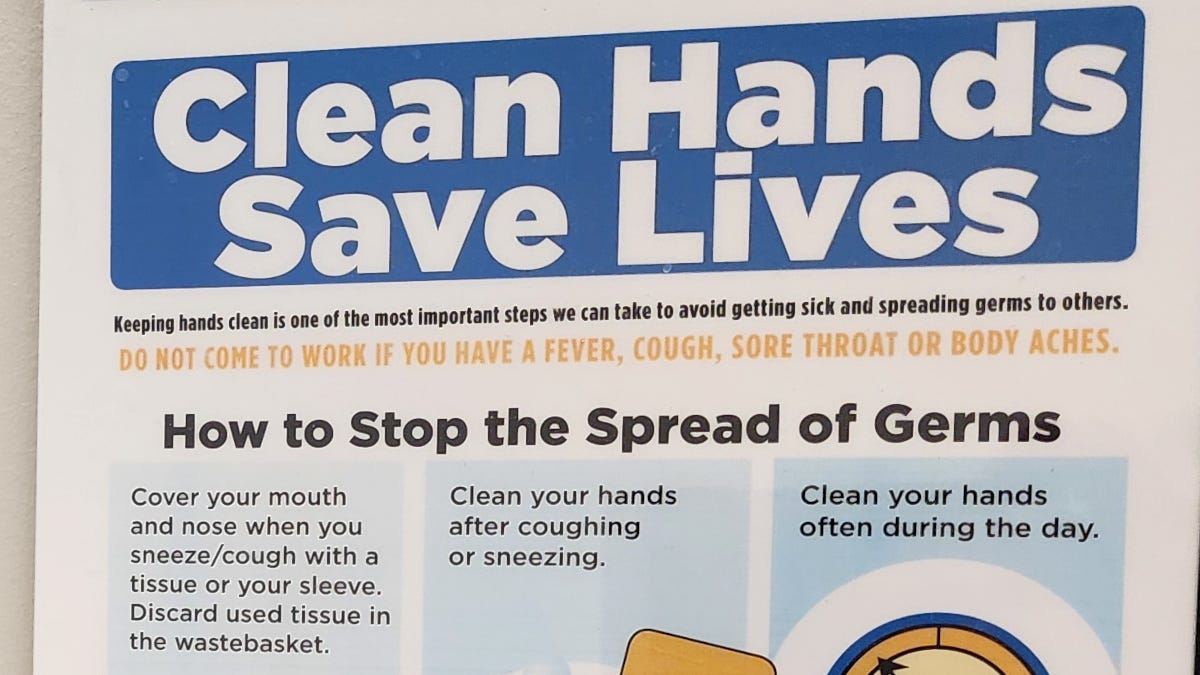
■ What should be much more actionable is the general matter of mitigating the spread. Respiratory viruses go around a lot in the winter because people tend to stay indoors, breathing the same air over and over. Sooner or later, we will learn to take indoor air quality seriously in the same way that we’ve learned to take water quality.
■ People spent a long time resisting many of the water-quality steps we accept as perfectly normal today -- segregation and treatment of sanitary wastewater, routine filtration and testing of drinking water, and disinfection processes for potable water as well as treated wastewater. They were resisted in no small part because people resisted the evidence that their drinking water was contaminated by human waste, and that the waste matter was making them sick. It was too disgusting for many to believe.
■ Today, we tend to resist the idea that breathing contaminated air makes us sick, even though we are just a couple of years removed from the worst airborne pandemic in a century. That unwillingness to face unpleasant facts will look silly soon enough, too. We should be devoting much better efforts to monitoring indoor air quality and routinely filtering or otherwise treating for pathogens. Air purifiers have become more commonplace, especially since 2020, but it remains rare to see them systematically used on a large scale or to see public spaces continuously monitored for easily measurable variables like carbon dioxide concentration.
■ Just because it’s unpleasant to think about breathing a sort of viral soup made up of other people’s waste air doesn’t mean we should bury our heads in the sand about it. Curtailing the spread of HMPV, the common cold, influenza, and other airborne viruses would be a huge step forward for human well-being. It ought to be well within our reach to do better.