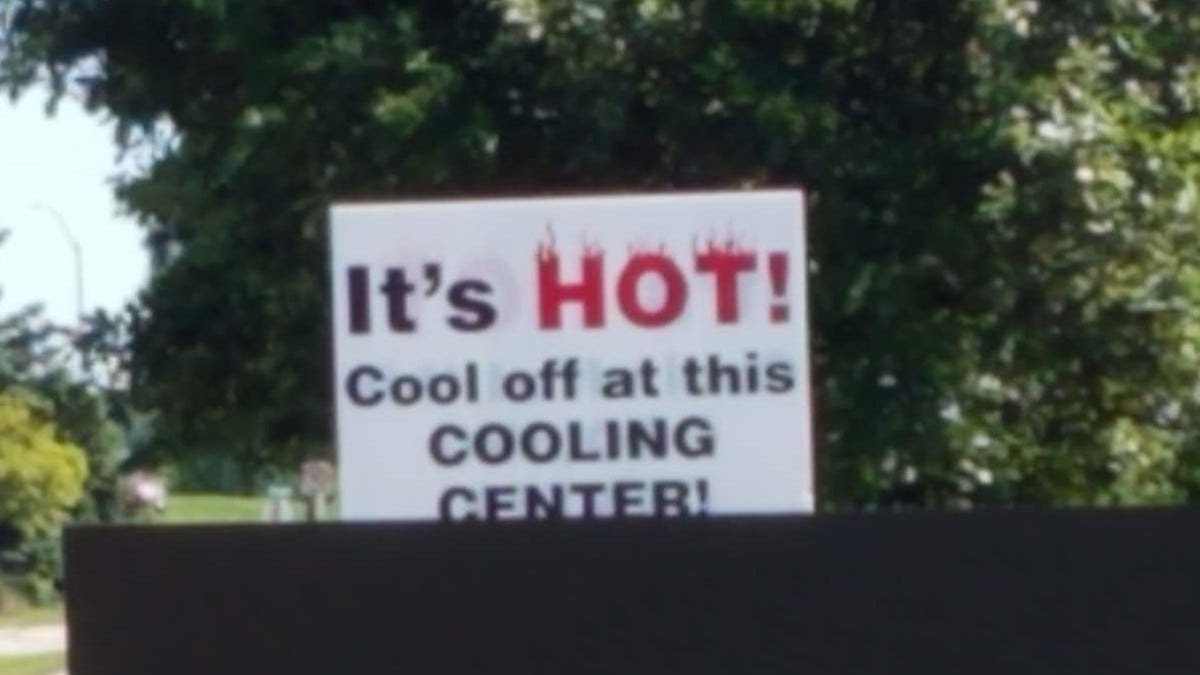
High temperatures are too often treated a nuisance rather than a health hazard, but heat-related deaths are literally a perennial problem numbering in the hundreds to thousands in the United States, plus many more around the world. Getting people to take action by taking shelter in places like cooling centers can be difficult, whether because of pride, transportation obstacles, poor calibration of risk, or other causes.
■ Anyone who has experience with troubleshooting technical issues knows that, most of the time, problems don’t occur in isolation. Root out one problem and you’re likely to discover a related one. Wisdom lies in recognizing that causes and effects come in orders beyond just one.
■ As we grapple with important questions like “How can we get more people into cool locations when their health is at risk?”, we’ll find that there are upstream questions of social science to be answered. But we also need to look downstream: Any time we aggregate lots of people under a shared roof, we need to consider not just the temperature of the air but also its purity.
■ In 2020, health concerns tended to fixate on the quality of the air (and the risk it contained coronavirus) rather than the temperature. Knowing that dreadful contagious diseases often spread by air, and that we’ll never be done with the fight against them, it emerges that cooling the air and regulating its quality are related in important ways that are better addressed when the situation isn’t especially perilous.