The Rev. Dr. Martin Luther King, Jr. didn’t know that “Where Do We Go From Here: Chaos or Community?” would be his last manuscript. But as the last complete work before his untimely death, it offers a fitting and lasting contribution to his country and society in his name.
■ When historical perspective reduces King to abbreviations, highlights, and pull quotes, there is much from which to choose, but it leaves an incomplete impression. In “Where Do We Go from Here”, King furnishes a much more complete understanding of the civil rights movement as a necessary but incomplete stage in America’s development.
■ He supplies a vital explanation of the continuum from predecessors like Booker T. Washington (with a clear-eyed critique that Washington was right to appeal to high-minded ideals but “underestimated the structures of evil”) to his own choice to reject violence and separatism (”If one is in search of a better job, it does not help to burn down the factory”) while sustaining pressure for higher expectations.
■ King’s analysis of the situation in the late 1960s has frustratingly broad relevance today -- perhaps because we lost his presence as a leader who could have sustained pressure for worthwhile changes that would have gone beyond just the civil rights long denied. The King of this text is one who offers real policy prescriptions that we can debate even now. “I Have a Dream” may be what we remember him saying (and it is well worth remembering), but it wasn’t his final word on matters.
■ In this book, King criticizes the wide-reaching consequences of the Vietnam War, advocates for a universal basic income, and has no shortage of demands for educational reform (”Education is too important today to be left to professional fads and needs [...] there must be a greater evidence of competence”). We can engage with these and his other ideas on subjects like housing policy as reasonable adults today who have the benefit of nearly 60 years of hindsight. (We can also be chagrined by six decades of missed opportunities.)
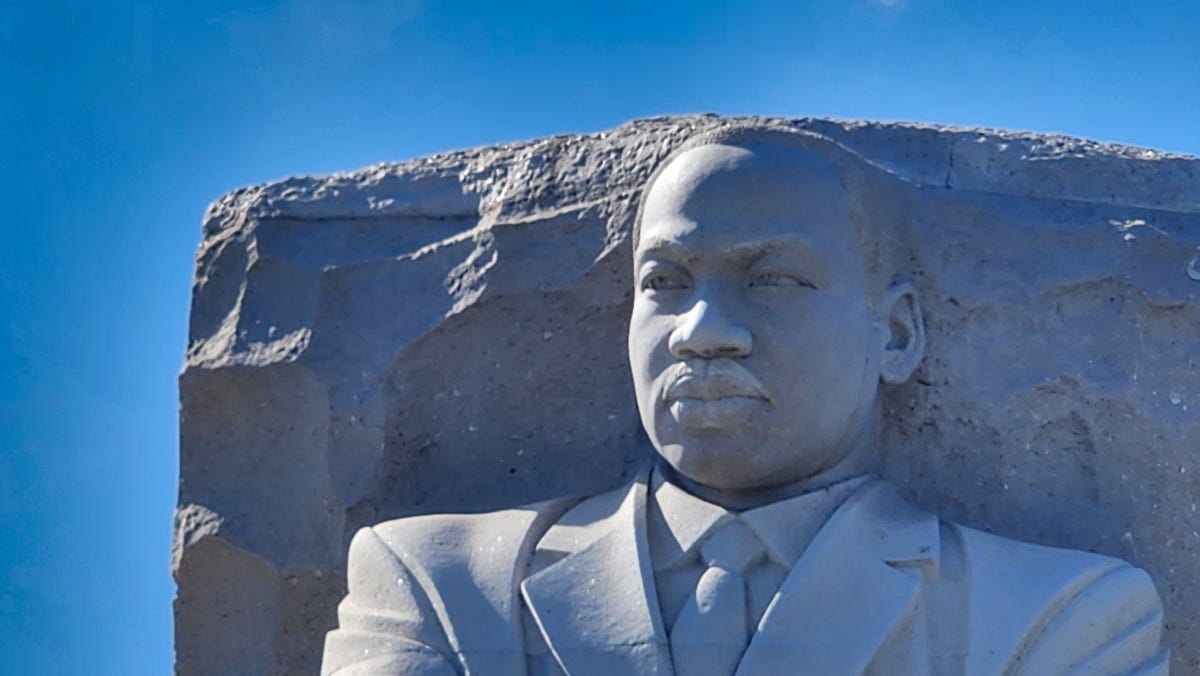
■ We shouldn’t leave King in the history books or merely fixed in granite: He earned his place in those books and is a thoroughly fitting choice for a memorial tribute. But even though he is no longer living, the thoughts he recorded remain relevant to our choices today. Reading them and incorporating them into our understanding of the present is a way not only to honor him, but also to treat our country as one worthy of continued betterment.