When a company wants to bring in more revenues, it generally has a few options: Expand its offerings, enter untapped markets, or begin offering (or emphasize) a premium tier of products or services. These options almost always come with costs, so costs and benefits have to be weighed against probabilities of success.
■ It's no surprise that acquisitions play such a large role in business, given that those transactions at least theoretically reduce the hazards associated with the first two options. But moving into premium tiers is usually something that has to come from within. It's not always a straight path from existing markets into a land of higher prices.
■ Offering a premium option can be a tricky matter. With products, it's often fairly straightforward: When a product is plainly better than the other goods around, people can often tell. Honda introduced Acura, Toyota has Lexus, and Hyundai has Genesis, just to pick some obvious examples from the well-known world of automobiles. As long as what's coming off the assembly line for the cheaper mainstream product is basically respectable, consumers often stand ready to be talked into demonstrably better items.
■ Services are different. For whatever reason, expectations seem to anchor harder in the service world than among goods. It's easier to believe that Holiday Inn is going to spin up an economy-class hotel chain than to believe that Super 8 is going to enter the market for five-star resorts. This is especially the case when consumers have accrued years of previous brand experience at lower prices, deciding what aggravations and irritations are worth suffering for a good deal. They don't readily forget those frustrations.
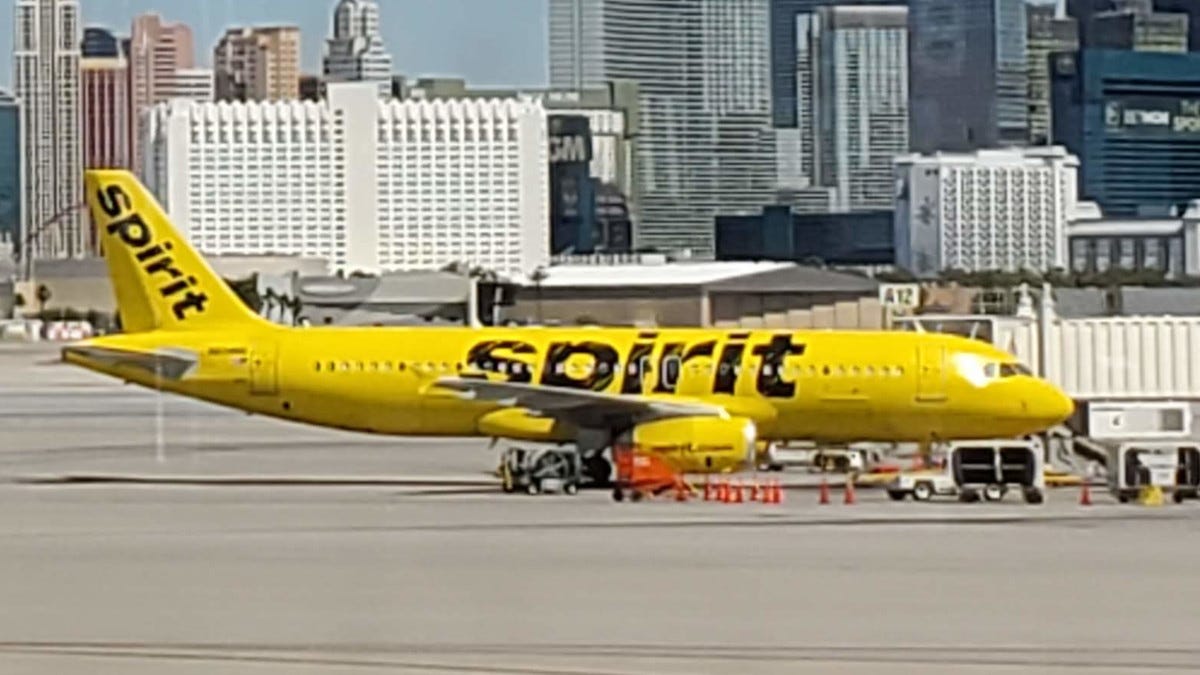
■ Thus, it is hard to believe that notoriously budget-oriented Spirit Airlines will successfully manage to add premium offerings in its scramble to adopt a profitable path out of two bankruptcy declarations in one year. People tend to forgive service quality shortcuts if they think they're getting a great deal. But the baggage that goes along with disappointing low-cost experiences tends to carry over into any taste of experience with something branded as premium. Considering the low base from which they're starting, Spirit might not want to bet the company on a pivot to premium.