It’s easy to see why there are so many websites purporting to serve up recipes: When trying to bake, mix, fry, sautee, or whip up something for the first time, the easiest default move is to pull out a smartphone and look for an answer on the Internet. Where demand like that exists, the incentive to offer a supply does, too.
■ Recipes alone don’t create enough space on the screen to fit many ads, nor do they offer a lot of advantage in the search results, so many (if not most) recipe sites have become cluttered with fluff -- space-filling background details, unnecessary origin tales, and long, pointless narratives describing often-improbable idealized sequences of events.
■ The combination of high interest, tough competition, and infinitely variable components (like ingredients, quantities, and steps) unfortunately makes recipes downright magnetic to AI-generated “content” creators. It is the place where “AI slop” meets literal slop.
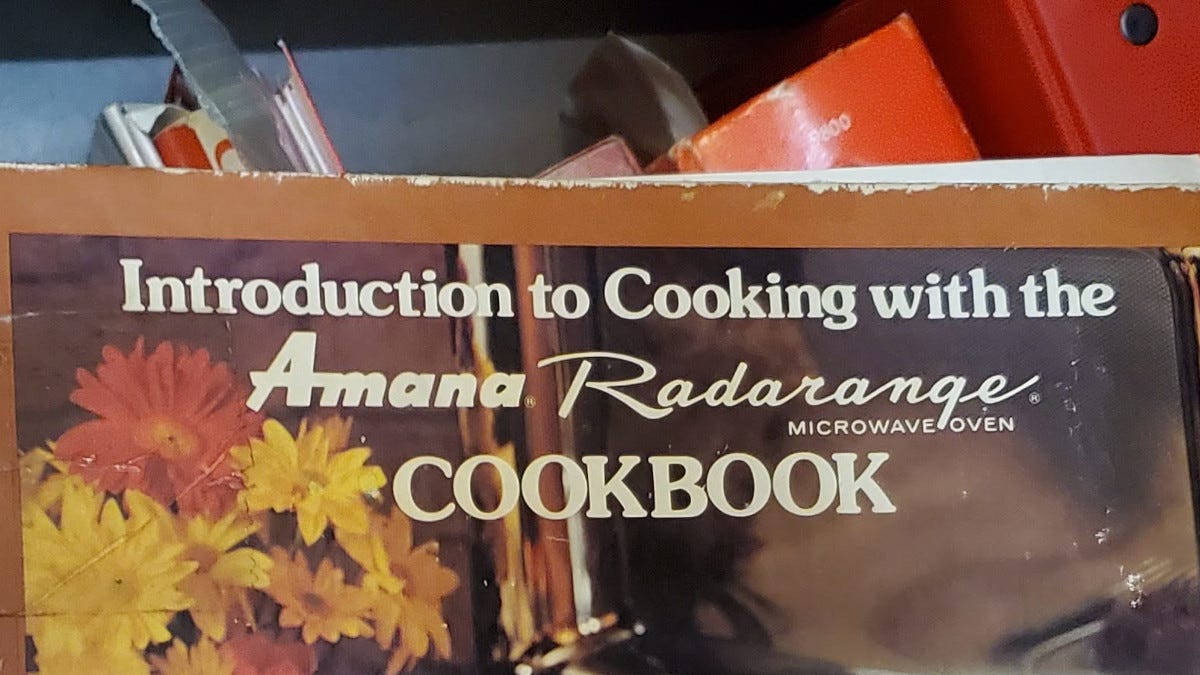
■ It’s hard to know how we will reconcile with the mountains of trash now starting to clutter the results for recipe searches. One can hope that real recipe books full of marginalia will survive in enough places for people to still find them -- the Internet Archive is digitizing and sharing thousands of them, and there will probably be other efforts to digitally capture real, human-made recipes with real paper trails.
■ And that’s a good thing, because there’s no way to give AI the ability to experience the real sensation of taste -- which would come as no surprise to those who remember the glue on pizza incident. It’s of no little importance to build some kind of fortification around the real, accountable knowledge that humans have won through trial and error over many generations, especially when that knowledge is easy to mimic (as with generative AI) without real understanding.