Conrad Hackett of the Pew Research Center poses an exceptionally reasonable question: “How much influence do public intellectuals have in the present influencer era?”. Naturally, the question hinges on several definitions, not the least of which is “Who qualifies as a public intellectual?”.
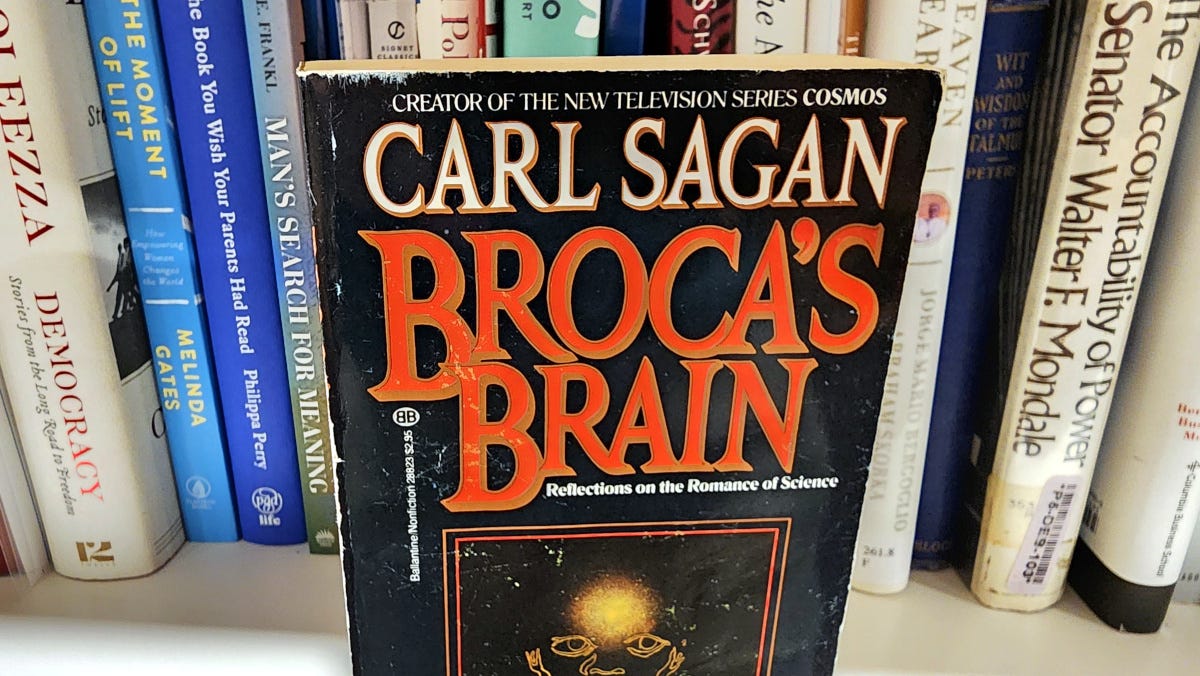
■ There certainly was a time when at least a few of them were easy to identify: Carl Sagan, Milton Friedman, and Vaclav Havel all left deep impressions on society in their times. Today, consistent with Hackett’s question, it’s harder to know which impressions are really being left.
■ We live in a time crowded with intellectuals but short on those who are really devoted to learning how to move the public. The surplus of intellectuals is generally a blessing; the smart people of prior generations would almost certainly be downright green with envy over the depth and breadth of knowledge available today across an astonishing range of disciplines. The student graduating with an associate’s degree in chemistry emerges with more real factual knowledge than any of the alchemists of old, and the same is true across practically every discipline.
■ It is the reluctance or inability to translate that knowledge (from almost any domain) for public consumption that becomes an incapacitating problem. It’s one thing to opine among friends, colleagues, or those who are already interested in a subject area, but reaching outside -- in order to persuade those who aren’t already interested -- is a very different challenge.
■ Public outreach is a skill calling for both strategy and tactics. One must have a grand vision as well as a firm grasp of particular techniques. More importantly, a real public intellectual must possess the patience to see a long fight all the way through.
■ That patience is key; one of the defining aspects to “influencer” culture is that one can have a meteoric rise one day and be “cancelled” the next. The effective public intellectual doesn’t chase momentary virality, but stays within the current of public attention using the tactics at hand (to remain relevant to the public) while strategically advancing a greater cause.